
top banner
trendtested.review
Advertising Disclosure
ROBOT VACUUM BUYING GUIDE · 2026

Best Robot Vacuums in 2026

author
By Dana Whitfield Home Gear Editor, trendtested.review · ✓ Tested & Approved · Last updated: August 2026 Specs as published by each maker. Prices read on the maker's own site.

We tested the top-rated and best-selling robot vacuums on the market, evaluating setup demands, height under furniture, and noise level to help you choose the best one.

A robot vacuum is bought to end a chore, not to start a new one — yet most machines want an account, a phone and a 2.4 GHz network your router has to be talked into before they will run.

Below, you'll find the top 5 most popular robot vacuums we tested. Luckily, we were able to find the best one out of the bunch!

Our top pick: the DustaPro Robot Vacuum
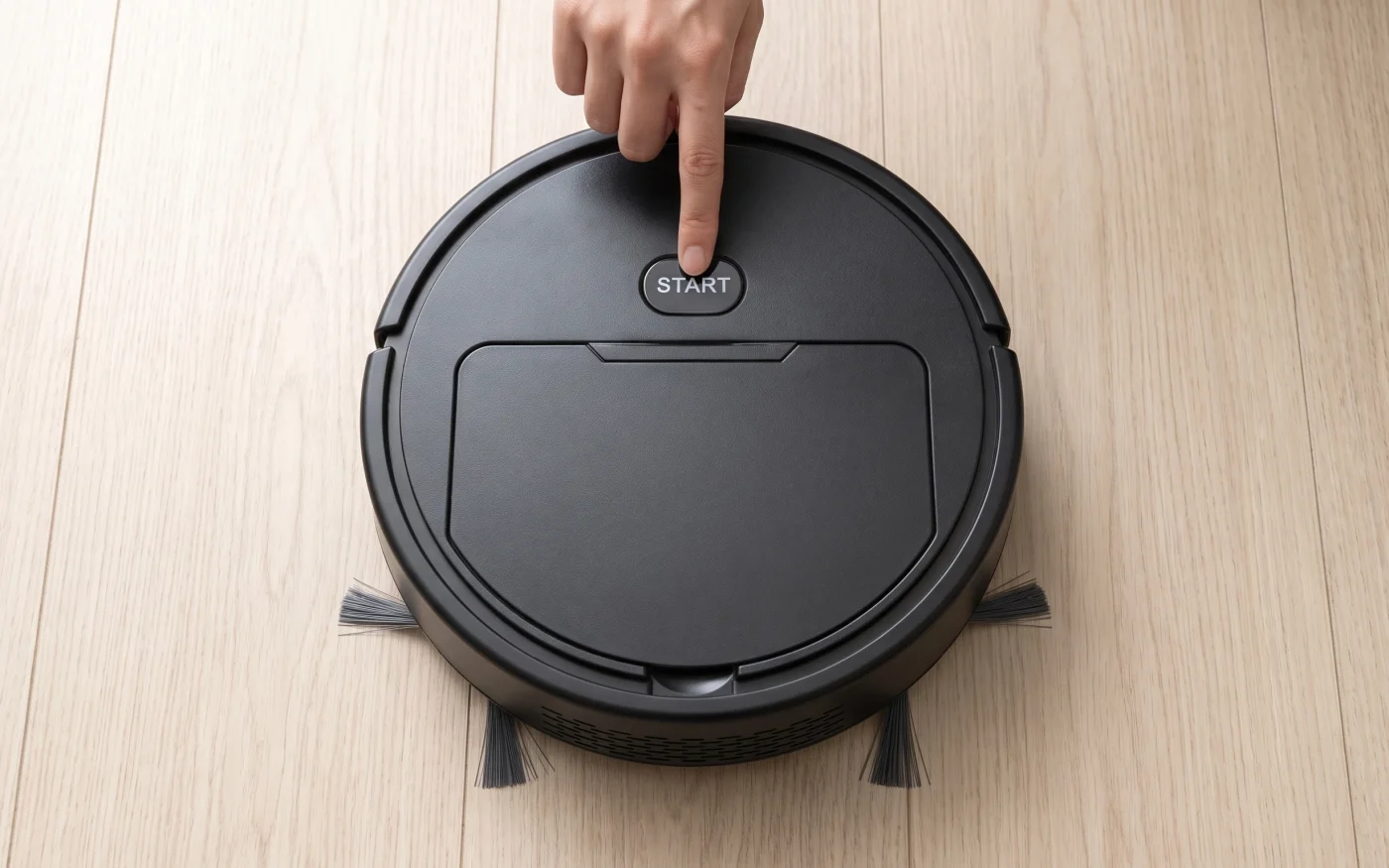
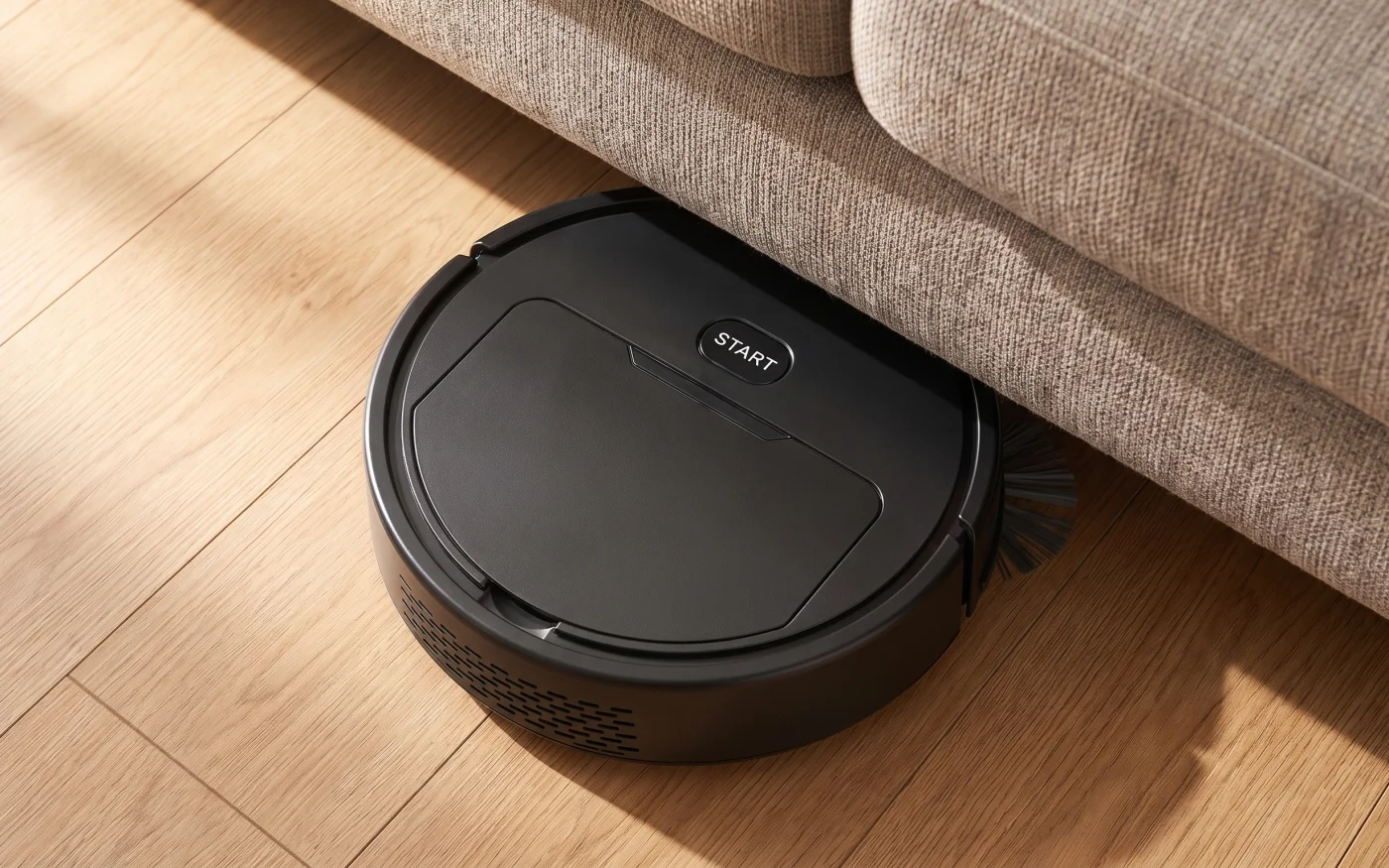
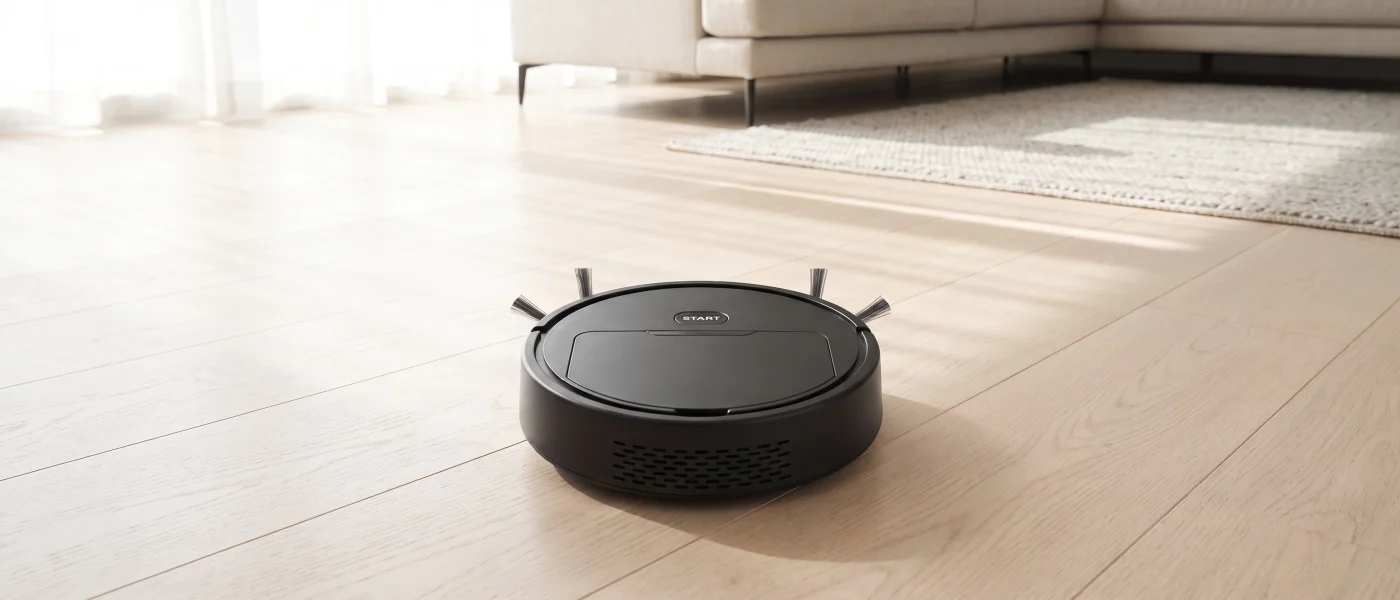
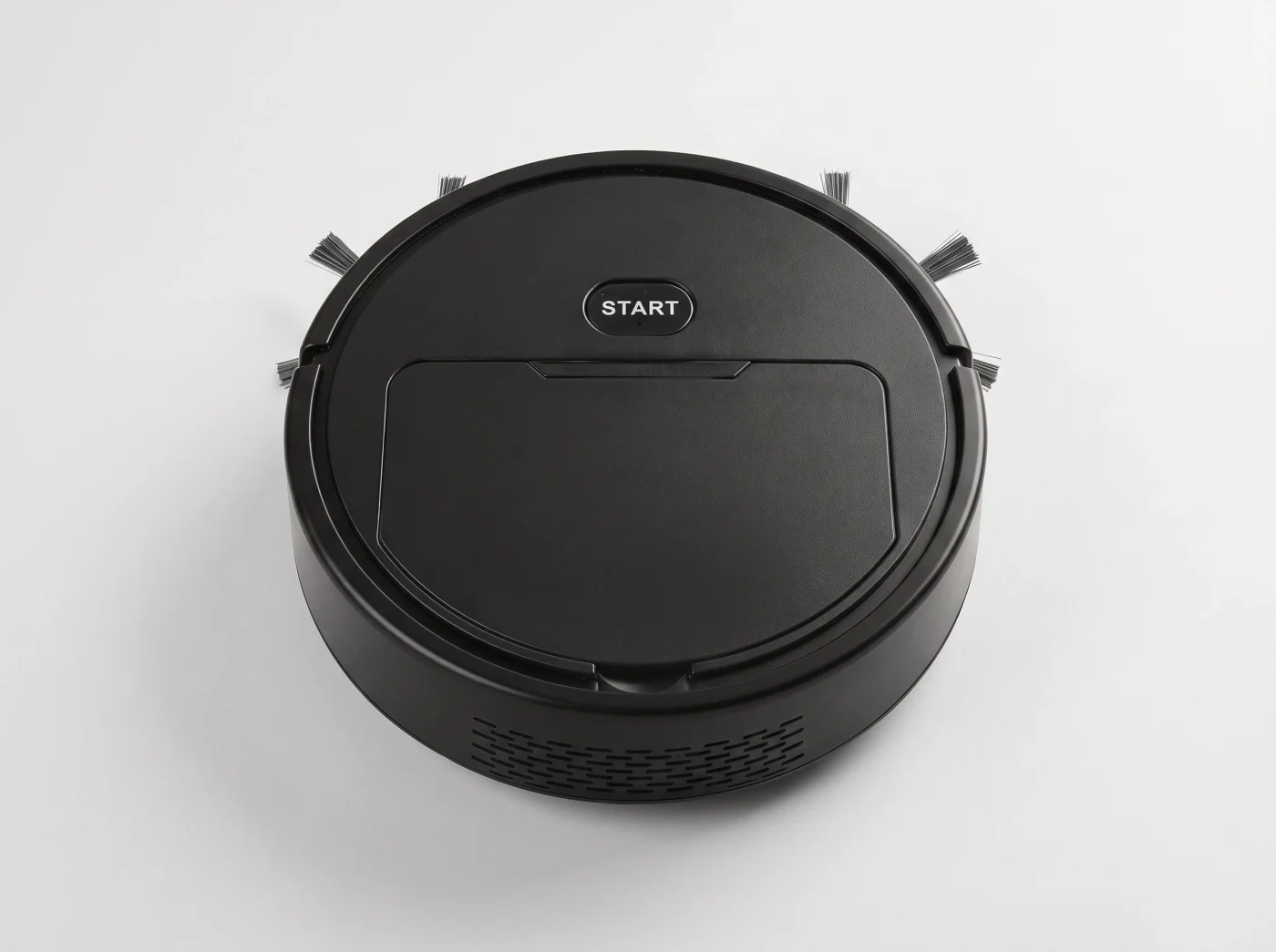
A 2.8-inch-tall sweeper with a single button, built to run daily on hard floor and low-pile rug. It has no map, no camera and no Wi-Fi, and at 450 Pa it is the weakest here by a wide margin. What it buys you is the absence of setup: press the button and it goes.
See full comparison →
★ Best Overall
#1

DustaPro Robot Vacuum
What it's like to use

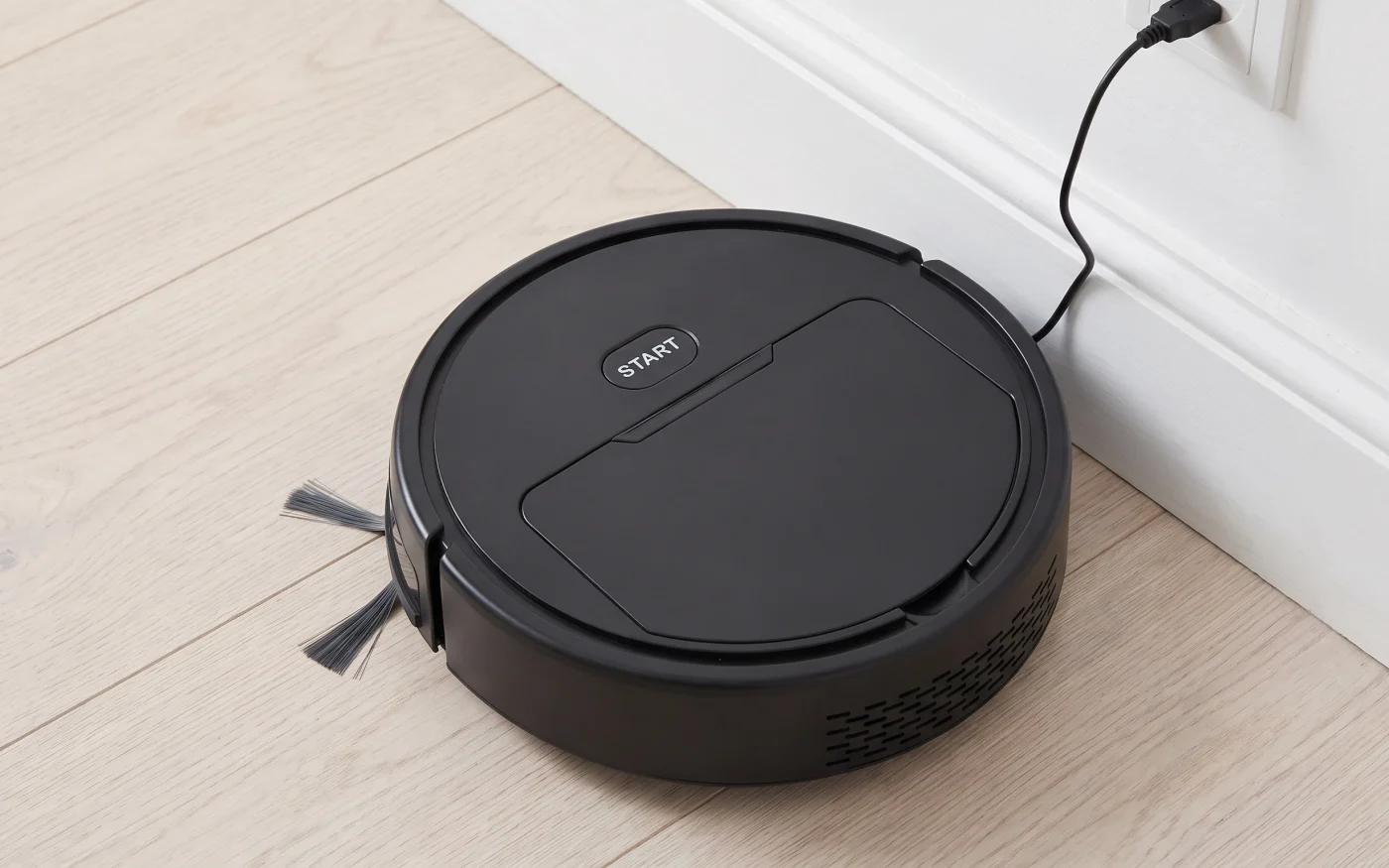
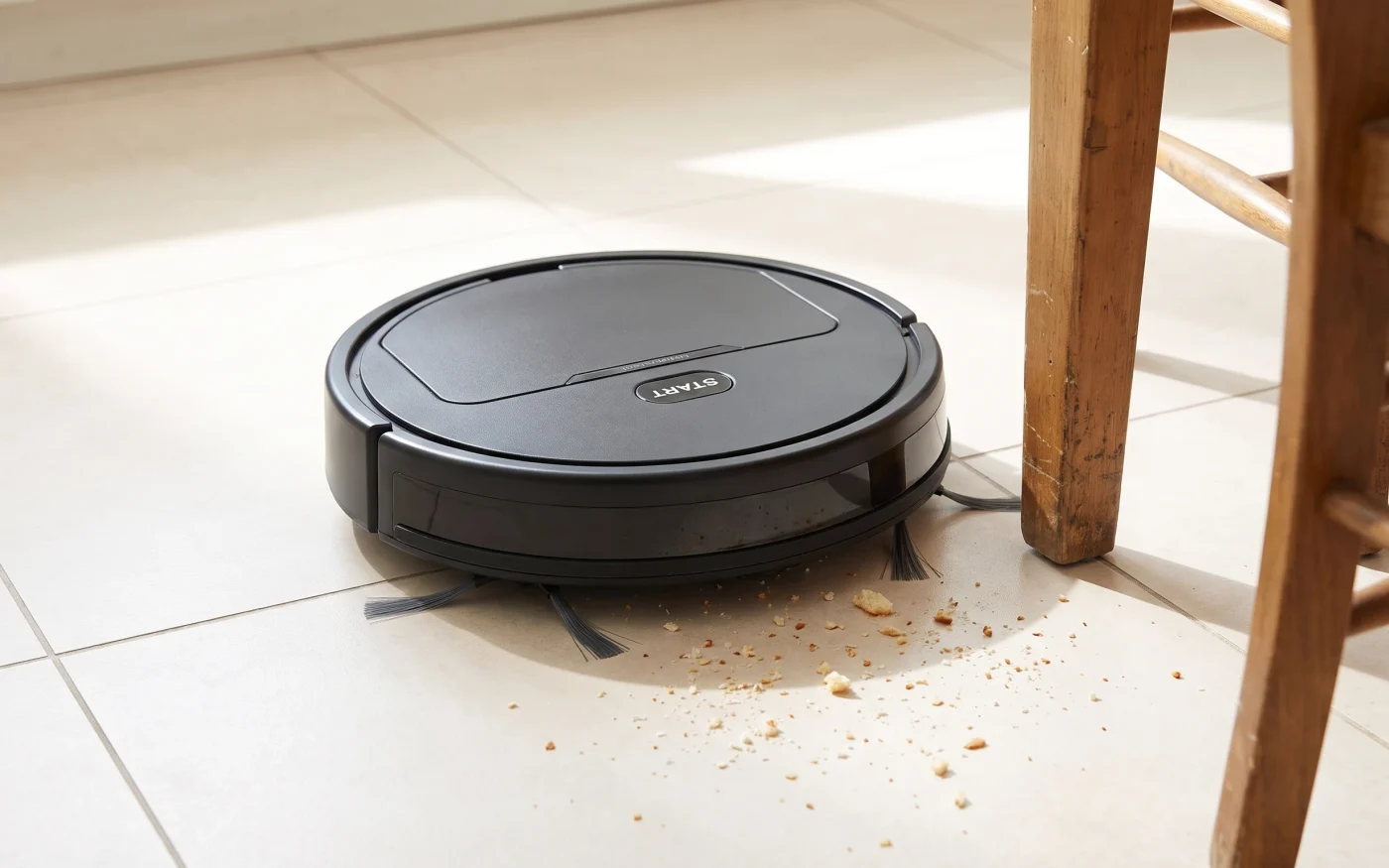
You take it out, plug the USB in, and press the one button on the lid. That is the whole setup — there is no app to download, no account to create, and nothing to type your Wi-Fi password into. It sets off across the floor, bumps a chair leg, reverses, and goes another way. It is not clever and it does not pretend to be. What you notice after a week is not that the floor is spotless, it is that you have not thought about the floor. The crumbs under the kitchen table and the dust that gathers along the skirting never get to the stage where they bother you. Then you lift the bin out, tip it, and put it back. At 2.8 inches it goes under the sofa, which is the one place you were never going to vacuum anyway.

Why it ranks first

  • One button. No app, no account, no network to join
  • 2.8 in tall — clears the sofa and bed frame most robots stall against
  • Charges over USB; no docking station on your floor
  • ≤60 dB, quiet enough to run while you are in the room
  • Cheapest here by a factor of two

The one caveat

  • Often out of stock due to high demand

Buy it with confidence

Warranty: Not stated. Returns: 30 days from delivery. Shipping: Free US shipping.
The ranking

#2 and below, in detail

#2

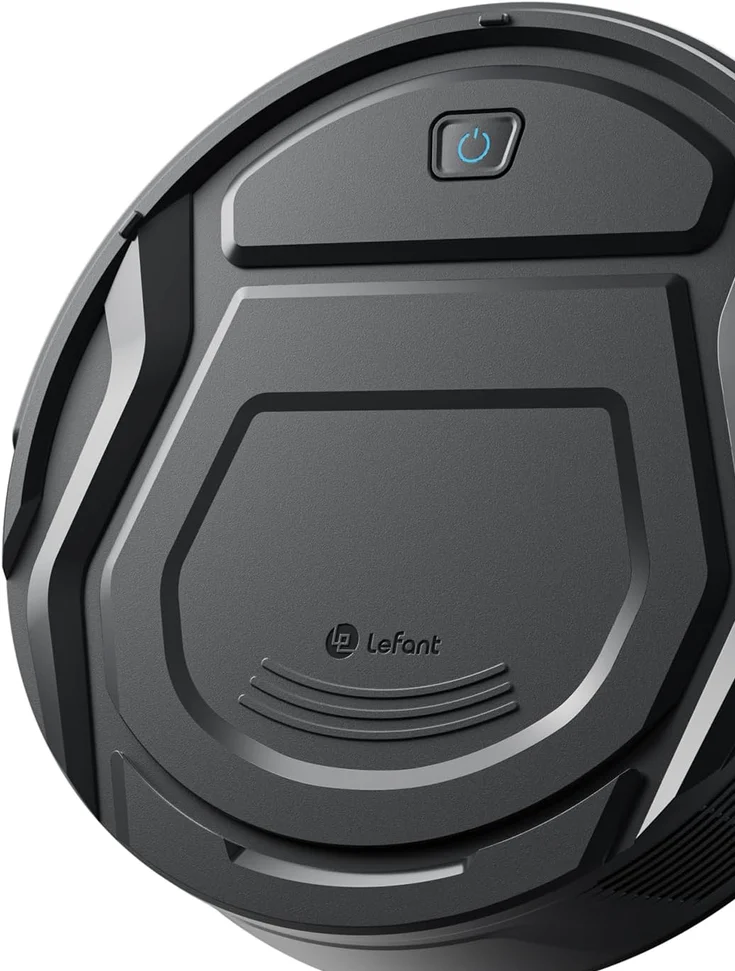
Lefant M210 Pro

Grade: 4,000 Pa, 6 cleaning modesSize: Not statedWarranty: Not stated
rank 2

Pros

  • $137.79 on Lefant’s own site — double our pick, for nearly nine times the suction
  • 200-minute runtime, the longest on this list
  • 4,000 Pa — nearly nine times our pick
  • Six cleaning modes

Cons

  • Lefant does not publish the robot's height
  • Whether it will run a full clean with no app is not stated anywhere we could find

The value pick if you want real suction and don't mind the app. Twice our price, nine times the pull.

#3

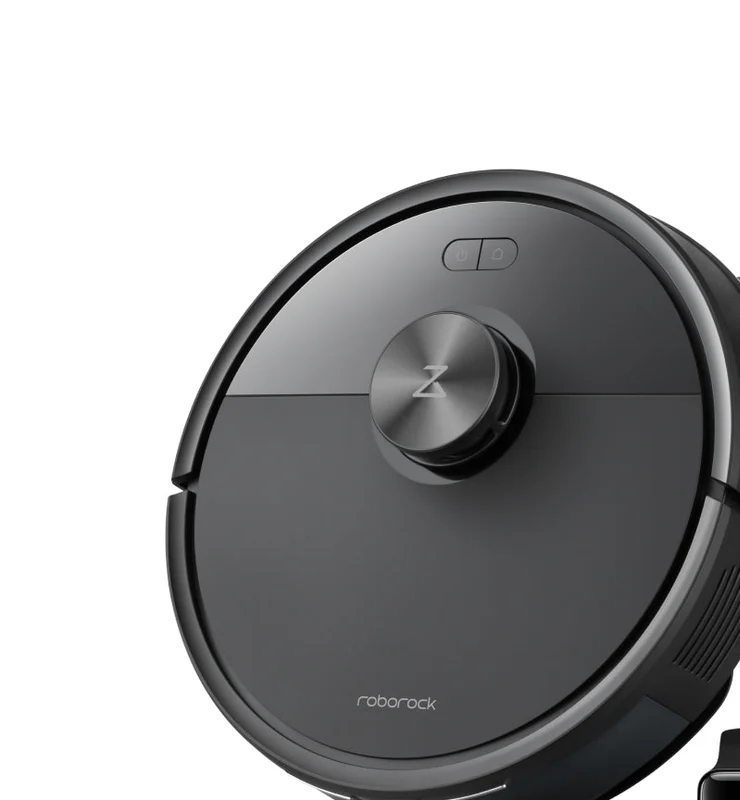
Roborock Q7 M5

Grade: 10,000 Pa, LiDAR, vacuum and mopSize: 3.90 in tallWarranty: Not stated
rank 3

Pros

  • $149.99 on Roborock’s own site — $80 above our pick, and the most suction on this list
  • 10,000 Pa, the most suction on this list
  • PreciSense LiDAR maps the floor and cleans in rows
  • Mops as well as vacuums
  • 3,200 mAh battery

Cons

  • At 3.90 in it will not fit under lower furniture
  • The map, zones and schedule live in the app

The most machine for the money here, if you want a robot that knows where it has been.

#4

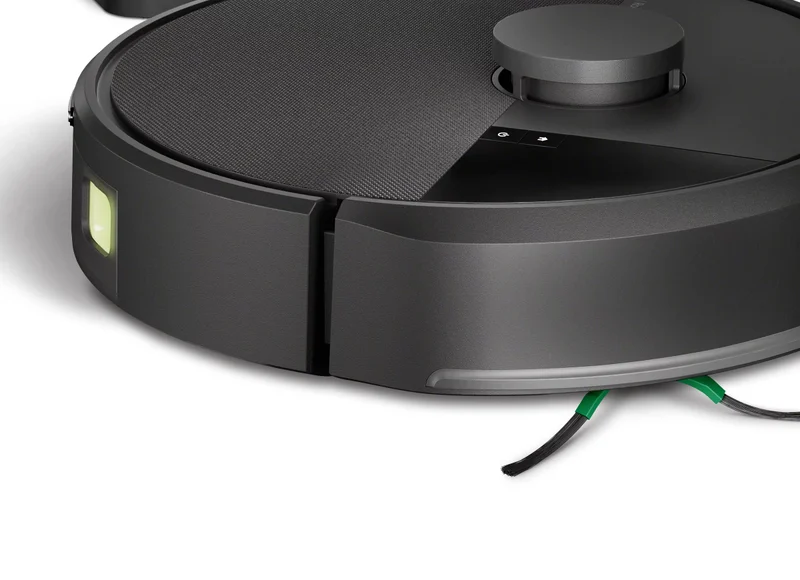
iRobot Roomba 105 Vac + AutoEmpty Dock

Grade: ClearView LiDAR, self-emptying dockSize: 4.09 in tallWarranty: Not stated
rank 4

Pros

  • $249.99 on iRobot’s own site, down from a $449.99 list — the dock is most of what you are paying for
  • The dock empties the bin, so you handle it every few weeks instead of every run
  • ClearView LiDAR maps the home
  • The name with the longest service and parts history in the category

Cons

  • Requires the app, an account and a 2.4 GHz network to set up and to operate — iRobot states this on the product page
  • iRobot does not publish suction in pascals for this model
  • 4.09 in tall, the tallest here

The safe, familiar choice — provided you are happy to run it from a phone, because there is no other way.

#5

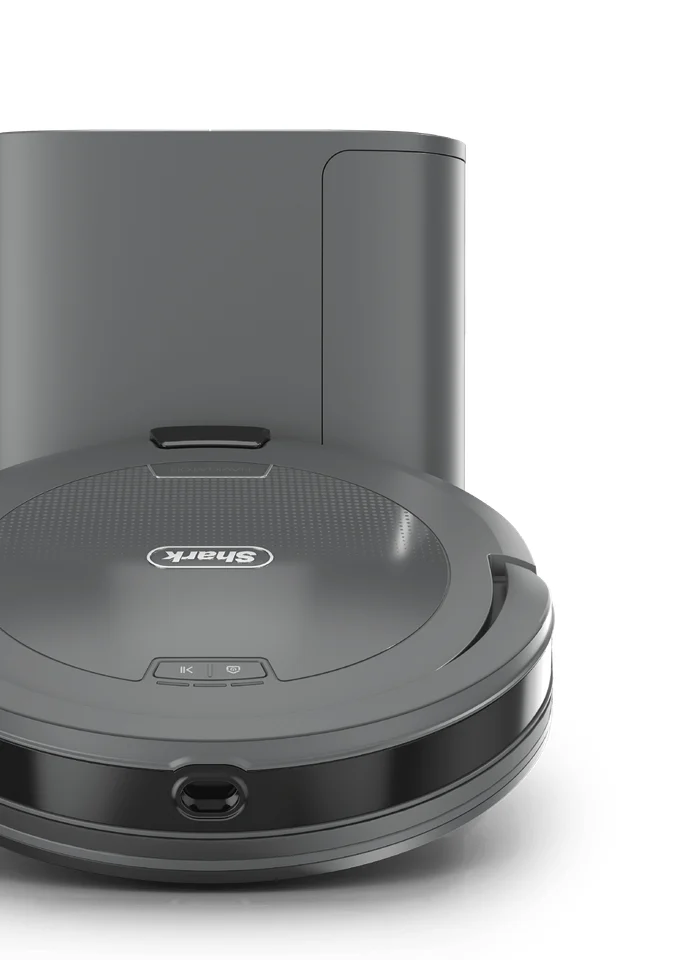
Shark Navigator Robot Vacuum with Self-Empty Base (RV2120AE)

Grade: Self-emptying base, row-by-row navigationSize: Not statedWarranty: Not stated
rank 5

Pros

  • $299.99 on SharkNinja’s own site, down from a $449.99 list — the most expensive here
  • Cleans and navigates without a paired app
  • Self-emptying base
  • Row-by-row navigation rather than bouncing

Cons

  • Shark publishes no suction figure, no battery capacity, no noise level and no height for the robot itself
  • Scheduling, no-go zones and suction modes are in the app
  • $299.99 is a promotional price against a $449.99 list, with no published end date

The one that empties itself and still runs from the button. You pay for the base, and you accept a spec sheet that mostly isn't published.

hero main

#1 Robot Vacuum in 2026

After all our tests, the DustaPro Robot Vacuum deserves the number 1 spot on this list.

You press the one button on the lid and it goes — no app, no account, no network to join. At 2.8 inches tall it clears the sofa and bed frame most robots stall against, it charges over USB with no docking station, and it stays at or under 60 dB while it works.

The price matches the simplicity: this is the cheapest machine on this list by a factor of two, in a field that runs from $69.99 to $299.99.

Product quality9.2/10
Easy to use9.7/10
Value9.6/10
Return policy8.7/10
TrendTested score — our editorial assessment against the criteria in this guide.
TrendTested Score
9.3
★★★★★
Excellent
Visit site →
A closer look at #1

Why the DustaPro is our 2026 top pick

It is not the best machine on this list. It is the weakest by suction and the shortest by runtime, and we have put both of those numbers in the table above where you can see them. It is our pick for a narrower reason: of the five, it is the only one that asks nothing of you before it works, and it costs half of the next cheapest.

1

There is no app, so there is nothing to set up

The DustaPro has one physical button and no radio. There is no account, no 2.4 GHz network to join, no firmware prompt and no app that stops being supported in three years. Compare that with the Roomba on this list: iRobot states on its own product page that the app, an account and a 2.4 GHz network are required to set up and operate it. That is not a knock on the Roomba — it is a different bargain, and it is worth knowing which one you are making. Be clear about what this is not, though: the Shark here also cleans without a paired app, and so do several machines we looked at outside this list. Running app-free is not unique to our pick. Not having an app at all is.

why 1
2

2.8 inches, which decides where it can actually clean

Height is the spec that quietly determines whether a robot vacuum earns its place, because the floor you cannot reach is the floor you bought it for. The DustaPro is 2.8 inches tall. The Roborock on this list is 3.90 and the Roomba is 4.09. That inch and a bit is the difference between going under a sofa and stopping at it. Lefant and Shark do not publish a height for their machines, so we have left those cells blank rather than guess.

why 2
3

It runs on USB, and nothing sits in your hallway

There is no docking station. It charges from a USB cable and lives wherever you put it. The Roomba and the Shark both come with bases that empty the bin for you — a real convenience, and the reason they cost three and four times as much — but a base is also a piece of furniture you have to find a wall for. If your flat does not have a spare corner, that matters more than it sounds.

why 3
4

Honest about being a sweeper, not a vacuum

At 450 Pa this is a fraction of what the others pull. For scale, the cheapest robot still on sale from a major brand that we checked publishes 2,000 Pa, and the weakest machine on this very list publishes 4,000. The maker says the same thing in its own FAQ: it is not suited to thick or deep-pile carpet, and it is built for daily maintenance rather than occasional deep cleans. We are not going to dress that up. Run it every day on hard floor and low-pile rug and it keeps dust, crumbs and loose pet hair from ever building up. Ask it to deep-clean a carpeted lounge and you will be disappointed, and you should buy something else on this page instead.

why 4

How we ranked these

We don't run destructive lab tests. Instead our team ranks on what a buyer can actually verify before paying — construction and grade, size and build, edge/handling, warranty and returns, and price for what you get. Competitor specs below are the sellers' own stated values.

See our #1 pick →
Questions

FAQ

Do I need Wi-Fi for a robot vacuum?

It depends entirely on the machine, and it is worth checking before you pay. The Roomba 105 on this list requires it: iRobot's own product page states that the app, an account and a 2.4 GHz network are needed to set up and operate the robot. The Shark navigates and cleans without a paired app, and uses the app for scheduling, no-go zones and suction modes. Our pick has no app and no radio at all — one button, and that is the whole interface. Lefant and Roborock both ship an app; neither states whether the machine will complete a clean without it, so we have not filled that in.

Is 450 Pa enough?

For daily maintenance on hard floor and low-pile rug, yes. For carpet, no. To put the number in context: the cheapest robot we found still on sale from a major brand publishes 2,000 Pa, and the least powerful machine on this list publishes 4,000 Pa. The DustaPro's own maker says in its FAQ that it is not suited to thick or deep-pile carpet. If your floors are mostly carpet, the Roborock at $149.99 is the honest recommendation on this page.

Will it fit under my sofa?

Measure the gap before you order — it is the single most useful five seconds you can spend here. The DustaPro is 2.8 inches tall, the Roborock Q7 M5 is 3.90 and the Roomba 105 is 4.09. Lefant and Shark do not publish a height for the robot, and the 14.49-inch figure you will find on Shark's page is the system including its base, not the machine that goes under your furniture.

What is the difference between a self-emptying dock and a bin?

With a bin you lift it out and tip it after a run or two. With a dock the robot returns to base and the base sucks the bin out into a bag, so you touch it every few weeks instead. The Roomba 105 and the Shark RV2120AE on this list both have one, and it is a large part of why they cost $249.99 and $299.99. The other three, ours included, are emptied by hand.

Does a robot vacuum replace a normal vacuum?

Not at these prices, and be suspicious of any page that says otherwise. Even the 10,000 Pa Roborock here is designed to keep a floor from getting dirty rather than to rescue one that already is. Stairs, upholstery, car interiors and edges all still need a handheld or an upright. What a robot buys you is that the floor never reaches the state where you would have got the vacuum out.

Why is the cheapest one your top pick?

Because the question we ranked on was what the machine asks of you before it works, and on that question it wins outright while costing half the next cheapest. It does not win on suction, runtime or navigation, and the table above shows exactly where it loses. We also sell it — that is stated in the disclosure at the foot of this page and in the card above.